OpenAI to Retire GPT-4o and Legacy Models on February 13
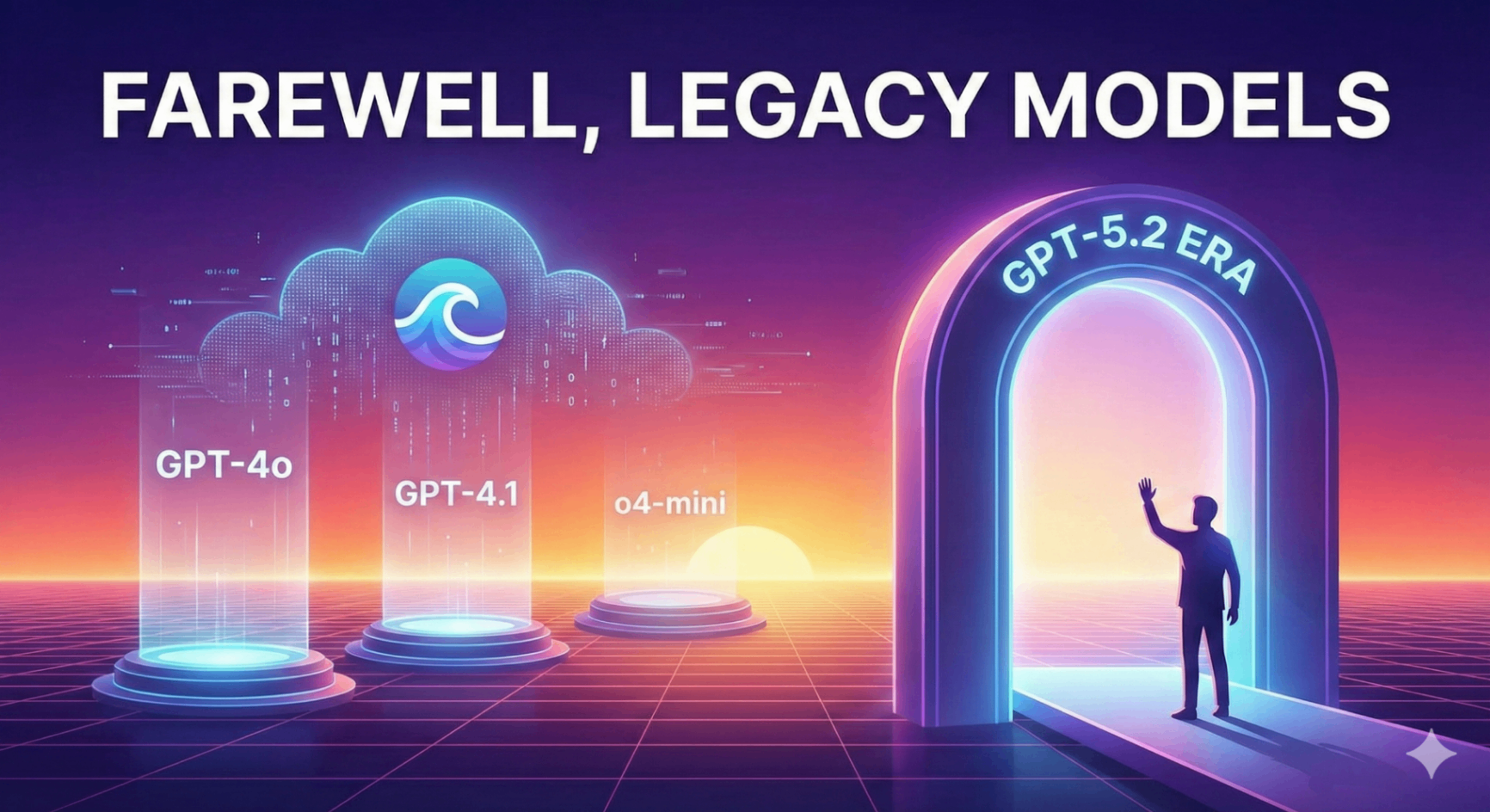
Mark your calendars for February 13, 2026. For many power users, it’s the day a "old friend" finally goes offline.
OpenAI has officially announced a massive consolidation of its model lineup. In just over a week, ChatGPT will retire several of its most iconic legacy models, including the widely beloved GPT-4o, along with GPT-4.1, o4-mini, and the initial versions of GPT-5 (Instant and Thinking).
While "model pruning" is a standard part of AI development, the retirement of GPT-4o is particularly significant. It marks the final transition into the GPT-5.2 era, where OpenAI is betting that a single, more customizable engine can finally replace the fragmented library of specialized models.
Why GPT-4o Outstayed its Welcome
If you feel a pang of nostalgia for GPT-4o, you aren't alone. When GPT-5 first launched in late 2025, a vocal subset of Plus and Pro subscribers revolted. Many claimed that while GPT-5 was smarter, it felt "colder," "preachy," and less creative than its predecessor.
OpenAI actually brought GPT-4o back from the brink of retirement once before to satisfy these users. However, the data now tells a different story: OpenAI reports that only 0.1% of users still manually select GPT-4o today. Most have migrated to GPT-5.2, which OpenAI claims has finally captured the "conversational warmth" users missed, while delivering 11x the reasoning speed of previous generations.
The Rise of the "Personality" Slider
The reason OpenAI feels confident enough to pull the plug this time is the new 5.2 Personality System.
Rather than switching models to get a different "vibe," GPT-5.2 introduces a Personalization Pane in the settings menu. This allows you to calibrate the AI's demeanor using granular sliders:
Warmth: Adjusts how friendly or clinical the responses feel.
Enthusiasm: Controls the energy level (and emoji frequency) of the AI.
Base Styles: Presets like "Candid," "Professional," or "Friendly" can be toggled to mimic the specific personas of older models.
By moving these traits into user-controlled settings rather than hard-coding them into the model itself, OpenAI is attempting to solve the "one-size-fits-all" problem that plagued earlier AI versions.
What Happens to Your Data on February 13?
If you have ongoing projects or hundreds of saved chats currently set to use GPT-4o or o4-mini, don't panic. Here is the transition plan:
Existing Chats: Your historical conversations will remain accessible. However, once you send a new message after Feb 13, the chat will default to GPT-5.2.
Custom GPTs: Creators of Custom GPTs are urged to update their "Base Model" settings now. For Enterprise and Edu users, GPT-4o will remain available as a backend for Custom GPTs until March 31, 2026, to allow for a smoother transition of internal business tools.
API Users: If you use OpenAI via the API for development, these retirements do not apply yet. Legacy models will remain available for developers for a longer window, with a separate deprecation schedule to be announced later this year.
The Bottom Line
The retirement of these models isn't just about saving server space—it’s about focus. By consolidating everyone onto the GPT-5.2 "Auto" architecture, OpenAI can roll out system-wide upgrades (like the new Prism research workspace or Advanced Voice features) more reliably.
The "unhinged" and "warm" personality of GPT-4o might be gone, but with the new sliders, you can effectively build its ghost right into the new, smarter machine.